
The Truth About Fundraising: From Founders Who’ve Gone The Distance
In the startup ecosystem, a specific fantasy plays out in the minds of early-stage founders. Picture this, you are sitting across from a Shark Tank investor, cameras rolling, and they offer you a deal. Or you’ve just been accepted into a prestigious accelerator like Techstars, providing you with much-needed capital for your next phase of growth. Or, in the ultimate dream scenario, someone places a $100 million acquisition offer on the table.
The obvious response in these moments? Say YES. Take the money. Pop the champagne. Celebrate the validation of your hard work.
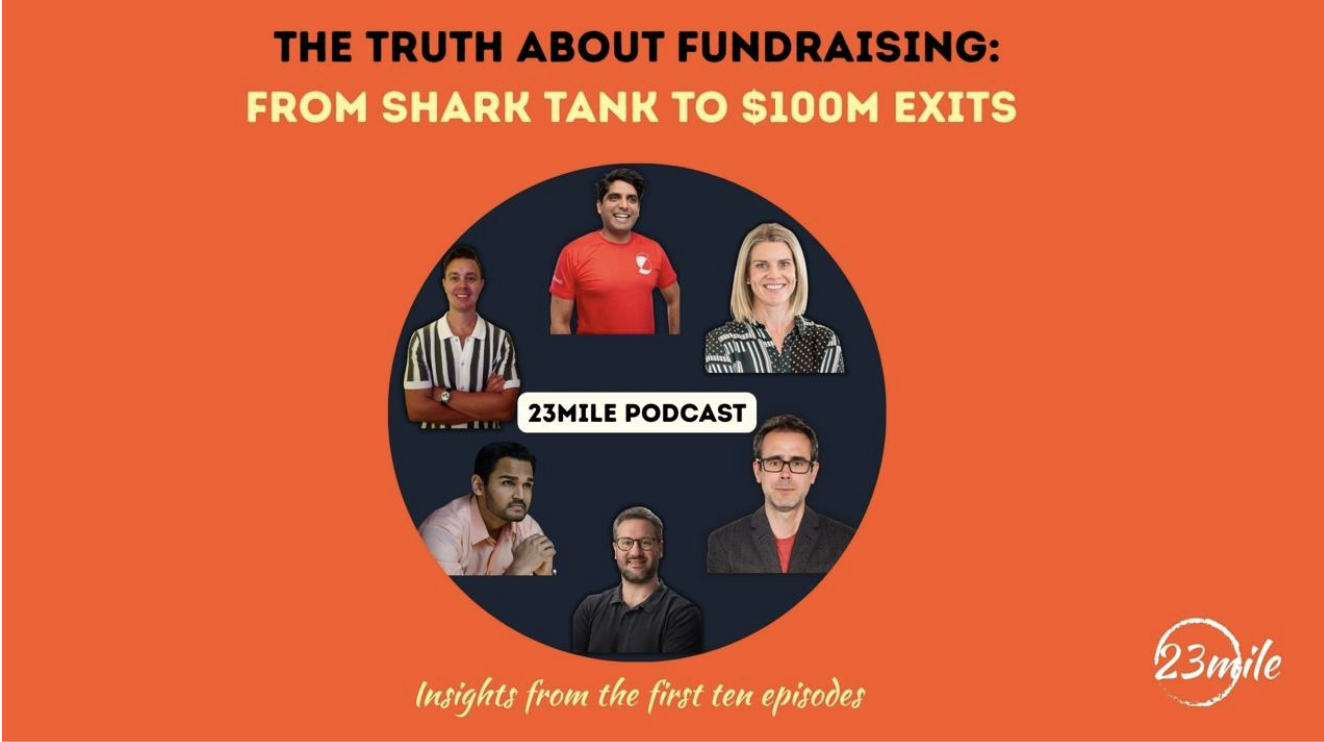
But here's what we discovered after speaking to 10 founders who've gone the distance: The ones who succeeded weren't the ones who raised the most money or said "yes" the most. This group collectively raised over $80 million and exited for more than $200 million. And the pattern? The winners were the ones who knew when to say "no".
The $100 Million Rejection
There is a common myth in Silicon Valley that the startup game is won the moment you get to 'yes', securing the check or the exit. But this ignores a harsh reality that sometimes, the money intended to fuel the rocket ship becomes the anchor that drowns it.
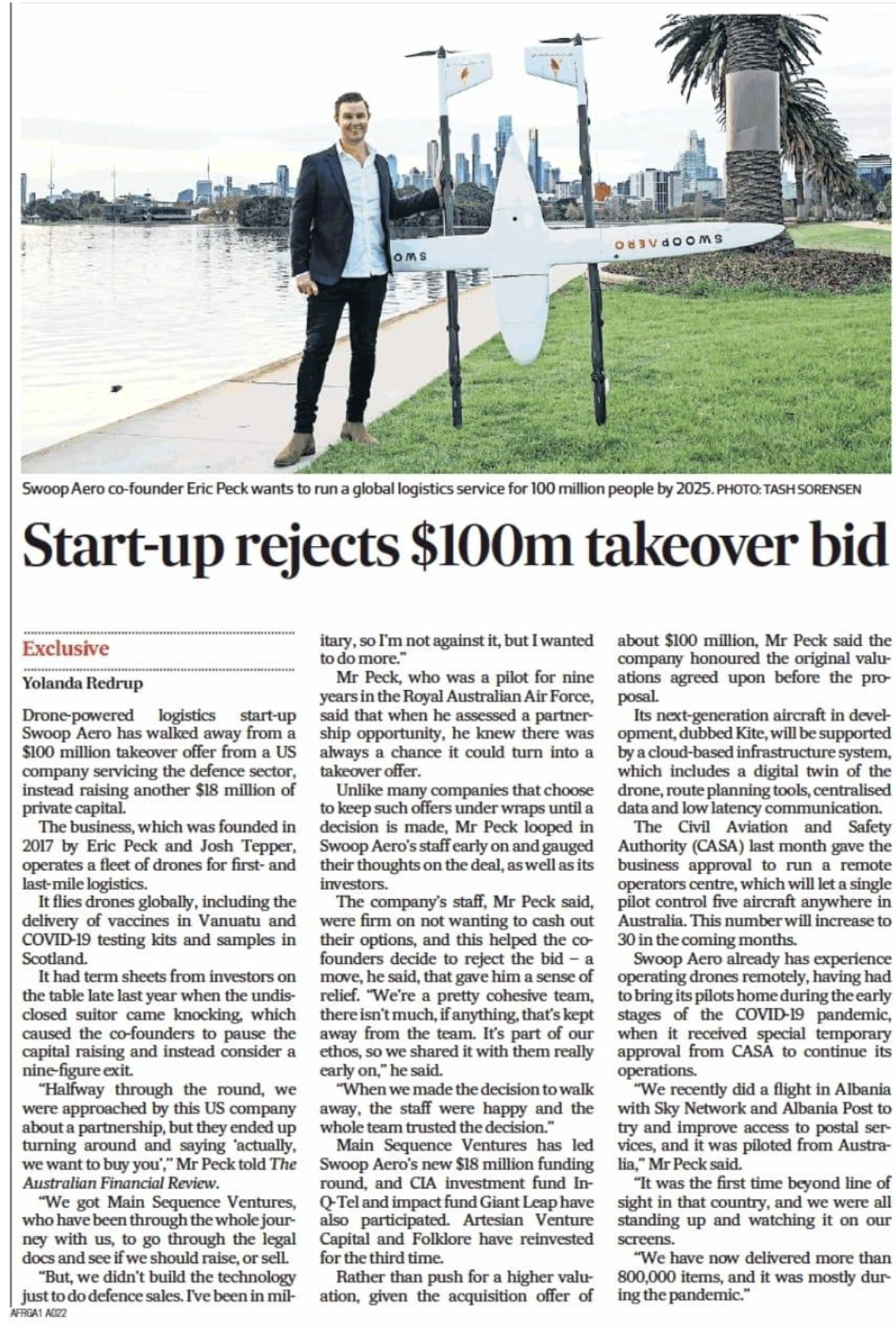
Consider the case of Swoop Aero. Eric Peck and his co-founder found themselves staring at a legitimate, life-changing acquisition offer of $100 million. It was the kind of deal that 99% of entrepreneurs would sign immediately. Instead, they rejected it. They chose to raise a venture capital round and attempt to build the company on their own terms.
Eighteen months later, the company failed and had to be restructured.
On the surface, this looks like a cautionary tale of hubris, but Eric insists he would make the same choice again. Why? Because for some founders, the mission isn't about the payout. It’s about the impact. They aren't optimizing for liquidity; they are optimizing for the chance to do something amazing.
The Truth About Dilution & Control
However, not everyone is driven solely by mission. For those driven by financial outcomes, the math of fundraising is often dangerously misunderstood.
There is a distinct mathematical difference between building a "venture-backable unicorn" and building a company that generates personal wealth. From a founder's perspective, Mike Bank shares his insights on how a $50 million exit where you retain 80-100% ownership often yields a better financial outcome than a $1 billion exit where you own 10-15% after multiple rounds of dilution.
The moment you take venture capital, you agree to play a game with rigid rules. These rules are not written for your happiness, your mission, or your long-term wealth. They are written to return capital to limited partners within a strict 7-10 year fund lifecycle.
Eric Peck mentions that taking VC money creates a "sandwich" effect that many founders don’t anticipate. Founders are pressed between two opposing forces: investors demanding aggressive growth, and a team needing the support and culture to run the race. These two forces are often in conflict, and only the founder understands the dilemma.
This is why bootstrapping wins. As Dan Schiffman puts it, if you can bootstrap a business in a competitive space, you likely should. By doing so, you avoid misaligned incentives with board members who are operating on a different timeline than you and your team are. Investors look to quickly recover their investment while your business might simply need more time to mature.
The Operational Hacks That Beat Fundraising
While the startup media fixates over cap tables and valuation caps, successful founders often obsess over unglamorous operational details, in this case, payment terms.
In industries like retail and logistics, vendors often face standard terms of Net 30, 60, or even 90 days. For a cash-burning startup, that delay is a death sentence.
Maarij Rehman realized that reducing this gap was more critical to survival than raising a Series A. By convincing a corporate giant like Walmart to agree to Net 15 payment terms, he effectively saved his company. Negotiating faster cash flow from customers is far better than selling equity for cash. It proves your business model works, it doesn’t dilute your ownership, and it doesn’t add board pressure.
This is the kind of tactical insight you won't learn at a pitch competition, but it is exactly what separates sustainable businesses from cautionary tales.
The Power of "Not Yet"
The founders who go the distance often view outside capital as a utility, not validation.
Edwina Sharrock for example, walked away from Shark Tank investors and bought out their early investors to regain control. She realized that outside capital didn't bring the promised mentorship or strategic guidance. Buying these investors out allowed her to regain the freedom to operate.
Maarij Rehman went as far as to return pre-seed money after being accepted into Techstars because he realized the cost of capital was too high.
These founders aren't 'anti-VC’. They understood that unless you have validated the concept yourself, the smartest answer to VC funding is 'not yet'.
The Myth of the Three-Year Exit
The standard Silicon Valley narrative suggests a three-year sprint to unicorn status and exit. The reality is usually a decade-long grind.
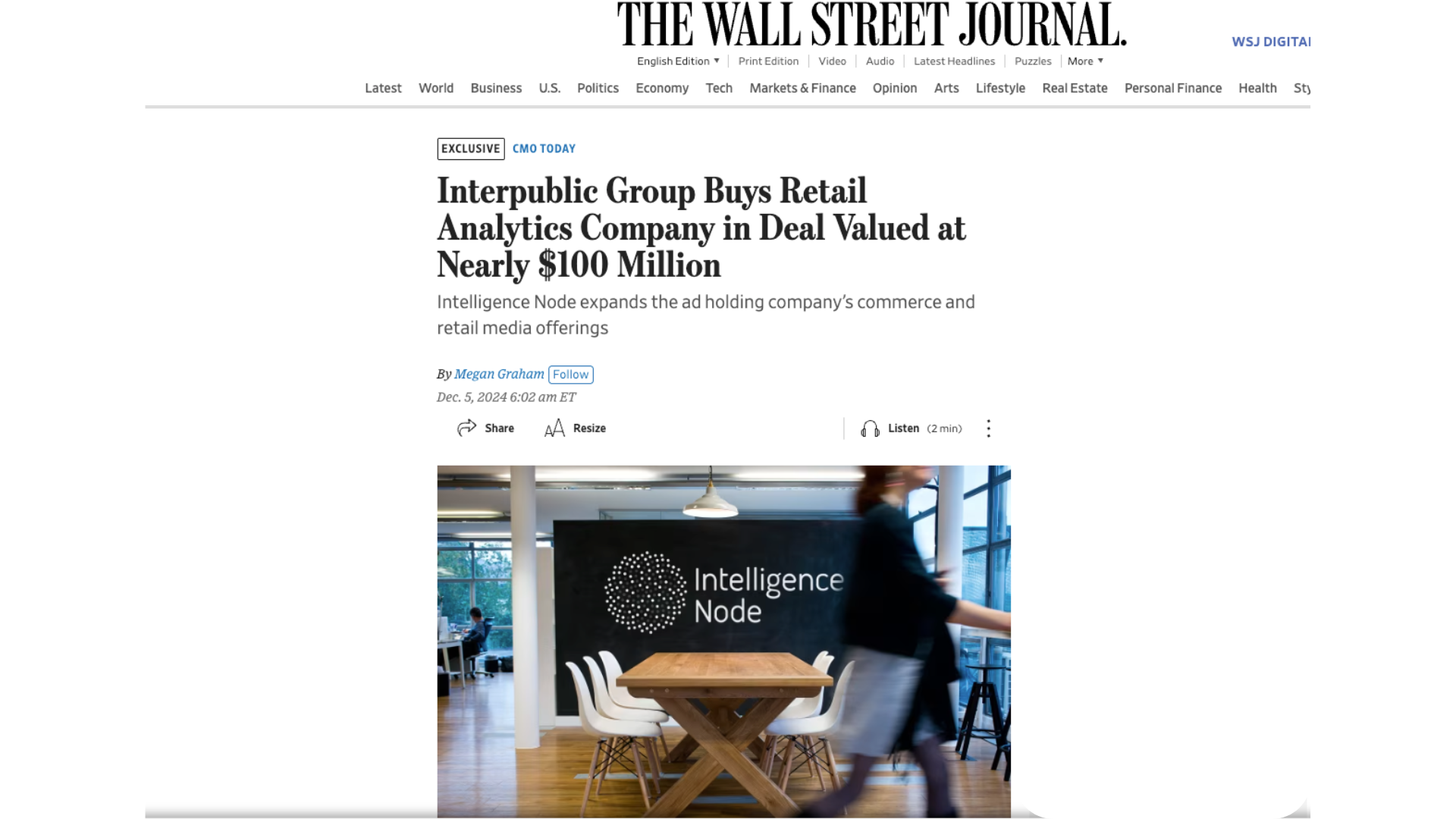
Yasen Dimitrov shared that his journey took over 12 years. Success doesn’t come overnight, and patience is required to sustain relationships and negotiate the right deal. The problem with venture capital is that it kills patience. When an investor needs an exit in year seven, but you are only hitting your stride in year eight, the investor’s timeline usually wins.
For VC-backed founders, the goal is to build a business that can sell but doesn’t have to. You must create exit optionality by building an asset so valuable to acquirers that multiple buyers would outbid each other for it.
What Actually Matters When You Raise
If you decide to raise, and sometimes it is the right strategic move, you must understand what investors are actually buying.
Ziyaad Ahmaad says that early stage deals rely almost entirely on the team. Investors are backing your ability to solve a specific problem and determining if you are the right person for the job. Market size is equally important: is the problem big enough to matter? Traction comes third; if the team and the market are compelling, investors will give you the benefit of the doubt on early metrics.
Dan Schiffman adds a contrarian twist regarding which market to choose. While business theory tells you to find a "blue ocean" with no competitors, he suggests going where the 'whales' are already swimming. A competitive market signals active acquirers. If there is no competition, there is a substantial risk that no one will want to acquire you.
Real Work
Finally, we need to redefine what "hustle" actually means. It isn't about pitch decks or polished websites.
True entrepreneurship is about getting out there and getting things done. Day one of a real business is documenting the process before writing a single line of code. It is using raw intelligence to innovate, rather than waiting on capital to solve your problems.
It requires the willingness to step out of your comfort zone, cold calling, trying your luck, and hunting for customers in unexpected places. Proactively build relationships and understand customer pain points, because if you don’t ask, you never get.
The Verdict
There is no single path to success. Some founders reject money and win. Some raise millions and win. Some bootstrap to eight figures. There is no linear path to long-term success.
The ones who fail are usually the ones who follow someone else’s playbook rather than writing their own. The VC hypergrowth journey is appealing, but so is building a profitable company on your own terms and keeping the reward.
Regardless of the path you choose, imposter syndrome never goes away and you simply have to get comfortable with being uncomfortable.
Ultimately, fundraising is a choice, not a requirement. Sometimes the bravest decision a founder can make is to look at a check and say, 'No, thank you'.
This article only scratches the surface. Watch the complete 10-minute compilation featuring all 10 founders sharing their unfiltered insights on fundraising, exits, and the decisions that made or broke their companies.
Subscribe to the 23mile Podcast for more real, first hand insights from founders and investors who've gone the distance.
